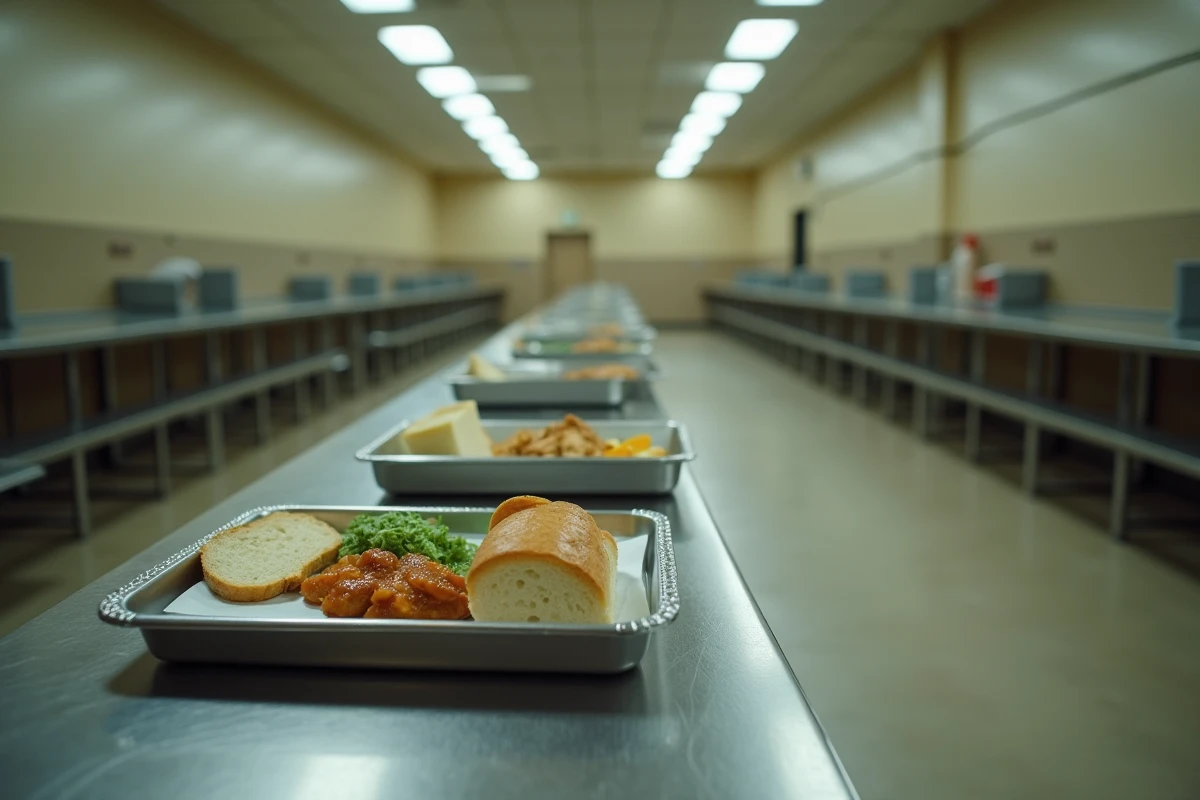
The canteen is the only authorized purchasing circuit for incarcerated individuals. It covers needs that the prison administration does not address: hygiene products beyond the strict minimum, supplementary food, tobacco, stationery, or small cell equipment.
Understanding prison canteen prices in 2026 requires dissecting a system where rates vary from one facility to another, where the regulatory framework evolves, and where the financial burden falls on inmates whose resources often remain very limited.
Price discrepancies between facilities: the Council of State’s decision in 2025
Price differences between prison canteens have long fueled disputes. Efforts for harmonization by the central administration have never encompassed the entire prison system: prisons with delegated management, those in Corsica, and overseas territories have remained outside the common grids.
In 2025, the Council of State confirmed the legality of this differentiated pricing. As long as the discrepancies are explained by supply costs or distinct contracts, and do not create a marked disruption of equality, each facility can set its own prices.
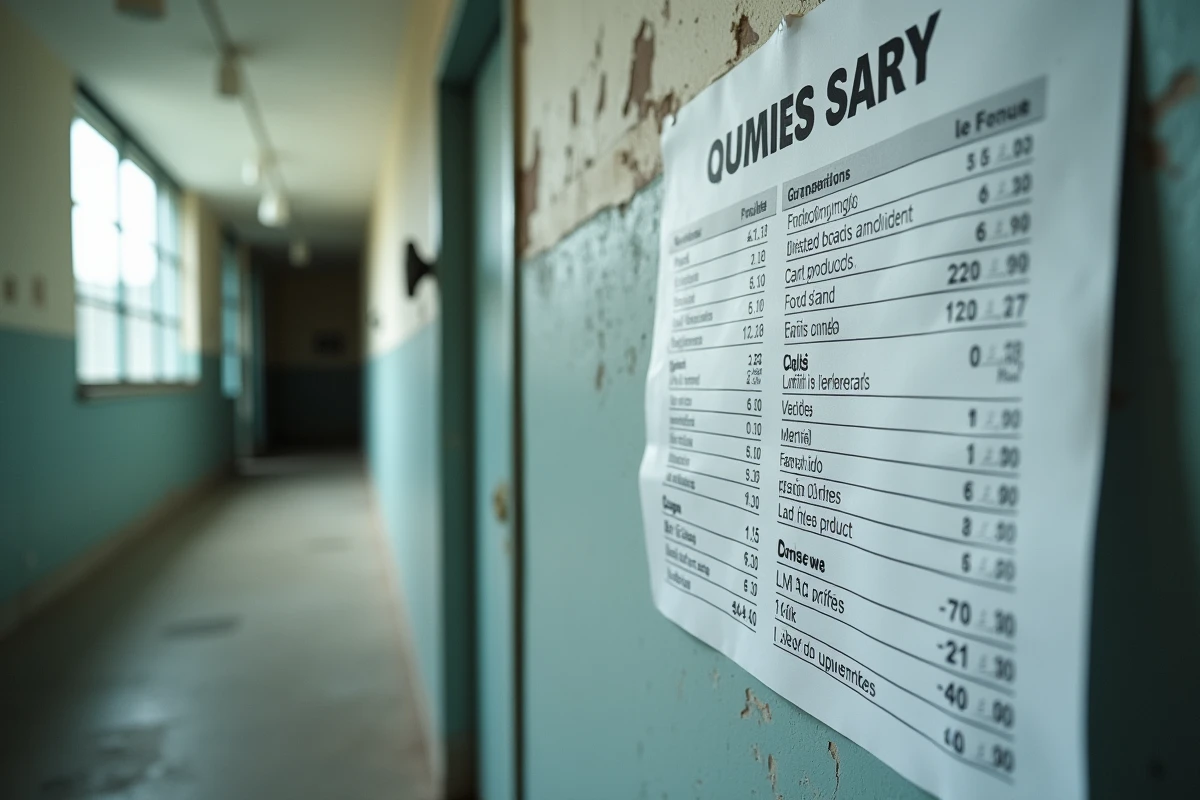
In practical terms, two inmates in two different prisons pay different amounts for the same packet of coffee or the same tube of toothpaste, with no possibility of recourse based solely on the price difference. A comprehensive file details prison canteen prices in 2026 and the associated rights. The local pricing flexibility is now legally established.
Cost of living in detention: what the Court of Auditors reports in 2026
The report from the Court of Auditors published in April 2026, dedicated to commercial account 912 (“Canteen and work of inmates”), provides updated data. Canteen expenses occupy an increasing share of inmates’ survival budgets, particularly for hygiene, supplementary food, and tobacco.
This figure takes on a different meaning when compared to the remuneration for prison work. This remains almost stable in current euros, according to the same report. The gap between the prices to be paid and the available income within the walls is widening.
Supplies from the administration and supplementary purchases
The prison administration covers a minimal baseline: daily meals, a basic hygiene kit upon arrival, and a limited renewal thereafter. Beyond the first few days, the distributed products no longer meet current needs. Accessing the canteen then becomes a necessity, not a comfort.
An inmate who wants to maintain proper hygiene, supplement their diet, and have some supplies (stamps, paper, razors) quickly reaches a significant monthly amount. More than one in four inmates is considered without resources, leaving a notable portion of the prison population unable to regularly purchase from the canteen.
Regulatory framework of the prison canteen in 2026
The Penal Code, whose regulatory part was consolidated on January 1, 2026, sets the functioning of the canteen. The inmate fills out an order form by checking products on a pre-established list. The amount is debited from their personal account. Delivery follows a schedule specific to each facility.
Several rules govern this process:
- No handling of cash. All transactions go through a personal account, funded by external mandates, remuneration from prison work, or assistance
- The list of available products is determined by the facility, with a common baseline defined by the central administration for publicly managed prisons
- Some products are prohibited or subject to restrictions (alcohol, sharp objects, certain electronic devices), with the list varying according to the detention regime
- Prices include the operational costs of the canteen service, which explains generally higher rates than those of large retailers
In facilities with delegated management, a private company operates the service. Prices there are determined by the concession contract, without obligation to align with the prices of public prisons.

Canteen products: the actual purchases of inmates
The canteen is not limited to food. Catalogs cover several categories that correspond to daily needs in the cell.
- Food: canned goods, biscuits, coffee, sugar, non-alcoholic beverages, dried fruits. These purchases compensate for meals often perceived as insufficient or monotonous
- Hygiene and maintenance: toothpaste, soap, shampoo, laundry detergent, cleaning products. This item quickly exceeds the contents of the kit provided upon arrival
- Tobacco: the primary expenditure item in value for a significant portion of the inmate population
- Stationery and communication: envelopes, stamps, writing paper, phone cards. Maintaining contact with the outside has a direct and recurring cost
- Cell equipment: small authorized appliances (kettle, fan depending on the facilities), batteries, light bulbs
Tobacco and hygiene products are among the most frequent items in canteen orders. Supplementary food comes next, with variations linked to the perceived quality of the meals served by the facility.
Inequalities among inmates regarding the prison canteen
The canteen reproduces the economic disparities that exist outside and exacerbates them. An inmate receiving regular mandates from their relatives can place an order every week. Those who do not receive any financial support and do not have access to prison work depend on occasional assistance or solidarity among fellow inmates.
The consequences are direct: access to hygiene, variety of food, ability to communicate with the outside. The canteen acts as a social marker within detention, and the data from the Court of Auditors report 2026 shows that this trend is not weakening.
Field feedback varies on the effectiveness of aid mechanisms. Some facilities distribute emergency kits or vouchers to the most disadvantaged inmates, but these initiatives remain heterogeneous from one prison to another, without a national framework to guarantee their generalization.
The prison canteen system maintains a balance between security imperatives and access to basic goods. The legal validation of price discrepancies by the Council of State, in light of the increasing financial burden on inmates documented by the Court of Auditors, leaves the question of equitable access to everyday products behind bars wide open.