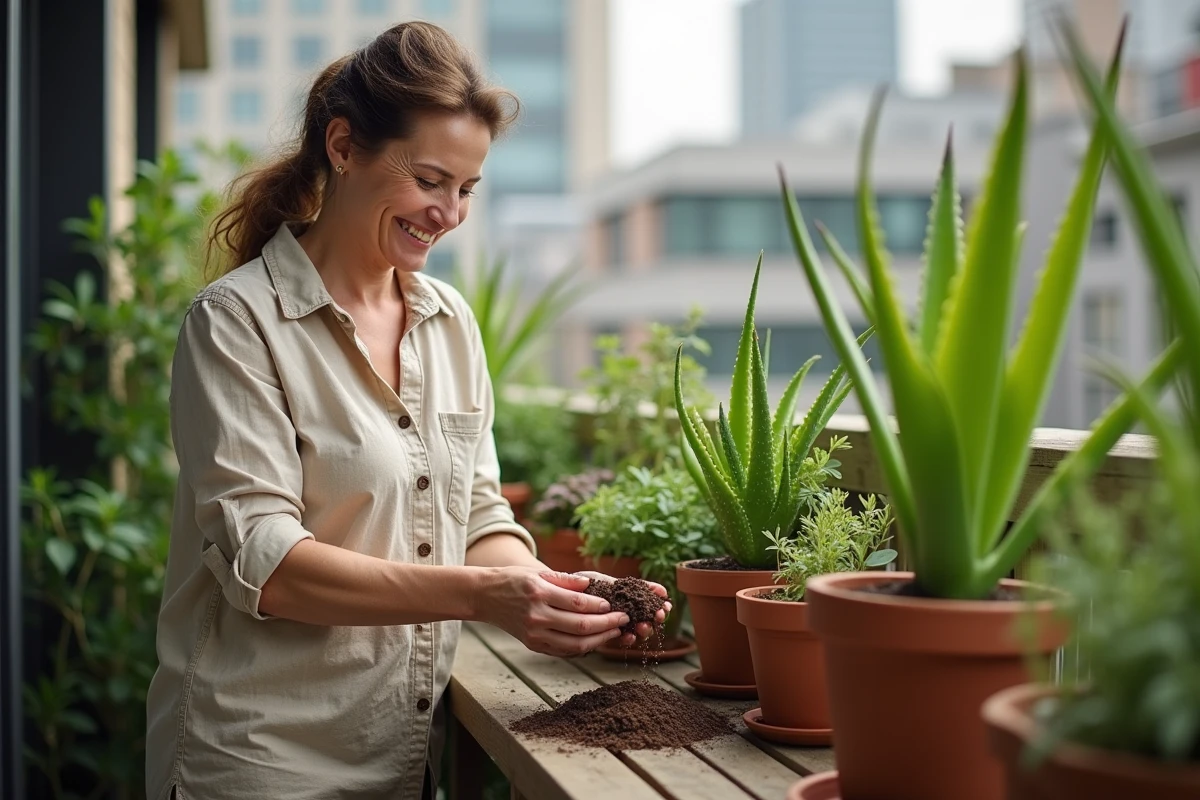
An excess of nitrogen slows down the growth of aloe vera, while most houseplants would benefit from it. So-called universal fertilizers, packed with nutrients, are not suited for this uniquely growing plant.
Some natural fertilizers, although effective in other pots, may disrupt the balance of the substrate and weaken the plant. Tailoring the fertilizer supply to the physiology of aloe vera prevents many deficiencies, avoids overdoses, and maximizes your chances for vigorous foliage.
Understanding the specific needs of aloe vera for optimal growth
It is impossible to expect a thriving aloe vera without understanding its requirements, shaped over time in the warm, dry lands of the Canaries, North Africa, or Madagascar. This succulent, a champion of endurance, does not appreciate excess water or nutrient-saturated soil. A light, porous substrate, combining soil, sand, and clay balls, is necessary to aerate the roots. Prefer a pot with drainage holes and forget about stagnant water saucers. The plant sets its own pace, and it’s best to respect it.
Aloe vera grows slowly, but it can accelerate its growth under well-controlled conditions. Generous but filtered light stimulates gel production in the leaves. Conversely, an excess of nitrogen weakens the structure and exposes the plant to diseases. Supplies should remain moderate, spaced out, and follow the seasonal cycle: spring and summer are the most favorable periods.
Water deserves special attention. Prefer low-calcium water: rainwater or filtered water at room temperature, to spare the roots and foliage from white spots. Adjust the frequency of watering and fertilization according to your climate, consulting the advice from Le Jardinier Décorateur. Regular observation and a few adjustments are enough to achieve a balanced, leafy aloe vera that generously provides gel for your daily needs.
Which natural fertilizers should you favor to gently nourish your aloe vera?
To keep your aloe vera robust, the choice of natural fertilizers is not to be taken lightly. This plant from arid lands requires measured, easily assimilated supplies. Turn to organic solutions that support leaf vitality without overloading. Here’s an overview of options to consider:
- Mature compost: A small surface application, well-mixed, energizes the soil without the risk of burning. Plant-based compost, perfectly decomposed, enriches the potting soil with humus and microorganisms.
- Potato cooking water (cooled and unsalted): Rich in natural potash, it strengthens the density and resilience of the foliage. Pour at the base, never on the leaves.
- Sifted wood ash: To be lightly sprinkled once or twice a year, for a gentle supply of potash and calcium, essential for strong tissues.
- Comfrey tea (strongly diluted): Perfectly suited for succulents, it stimulates growth without excess nitrogen. Limit it to the vegetative growth period.
Crushed horn and bone meal release phosphorus and nitrogen over time. Mix these powders into the substrate during repotting to aid rooting and support overall vigor. Chemical fertilizers, on the other hand, should be avoided: too strong, they are not suitable for the careful cultivation of aloe vera.
Another occasional solution is a special liquid fertilizer for cacti or succulents that is certified natural. Use it in low doses, once a month at most, from April to September, when the plant is most active.
Practical tips for applying fertilizers and maintaining a healthy aloe vera
To maintain the vitality of your aloe vera, you must follow its rhythm. No excessive watering or frequent fertilizer applications: this succulent thrives with measured nutrition, suited to the season and the quality of the potting soil. In spring and summer, its growth accelerates: this is the time to incorporate a diluted natural fertilizer, always on moist substrate to protect the roots.
- Water sparingly, preferring rainwater or filtered water that is low in calcium.
- Ensure good drainage: add clay balls or a well-aerated substrate to avoid any stagnation.
- Space out fertilizer applications: one intervention per month, from April to September, is enough to support growth without tiring the plant.
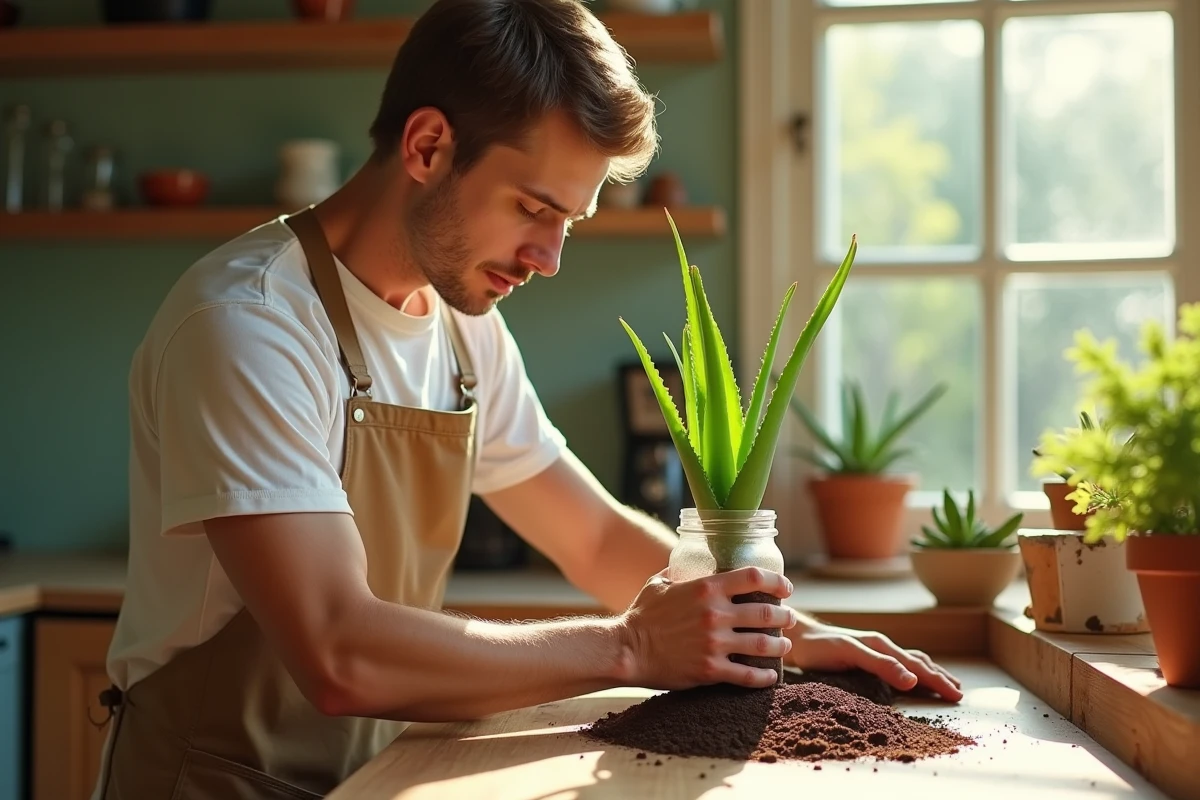
When repotting, incorporate a handful of potting soil for succulents and a bit of mature compost. Place the pot in a bright location, avoiding direct exposure to scorching sunlight, to preserve the thickness of the leaves. Aloe vera gel concentrates in these fleshy leaves, promising beneficial applications on the skin after a sunburn or an eczema episode.
The offsets or pups that appear at the base of the plant are a sign of successful care. Remove them during repotting and place them in fresh, draining substrate. Allow time to work its magic: a well-nourished and minimally stressed aloe vera will settle permanently in your home, strong and generous, a faithful ally for your daily care.