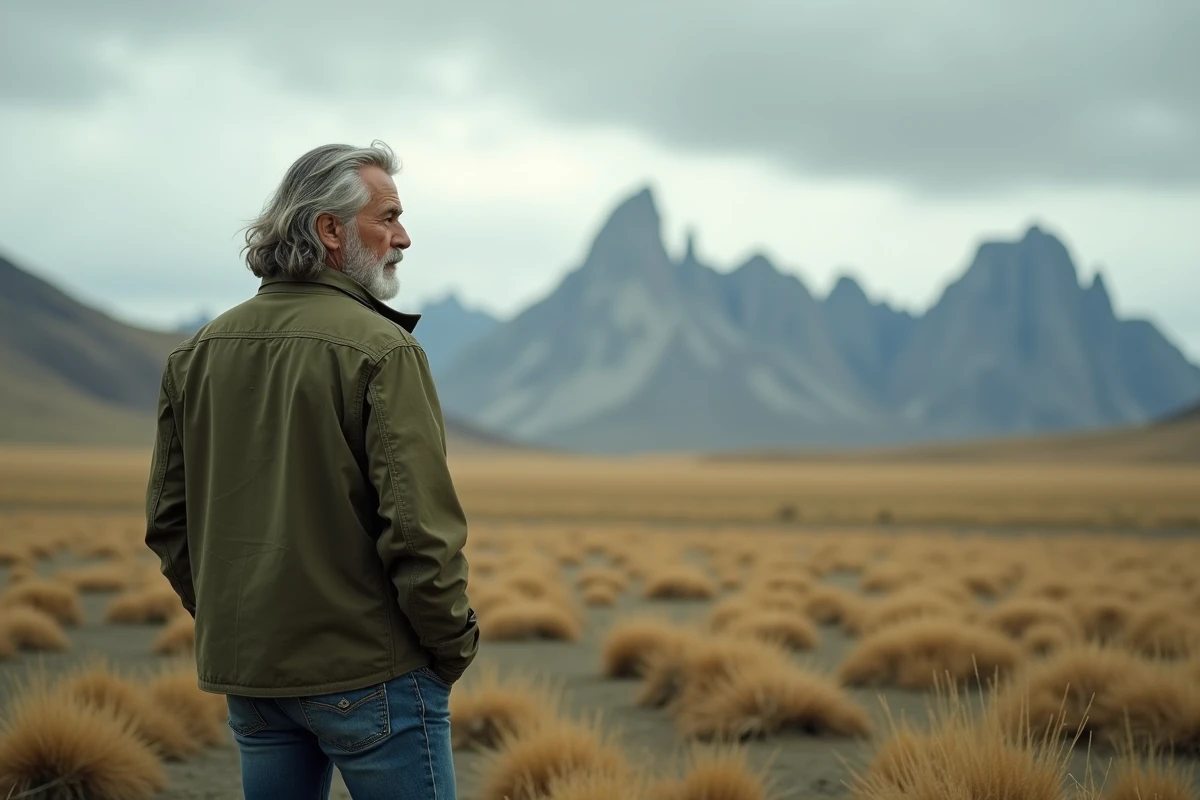
Florent Pagny has been living part of the year in Patagonia for about twenty years. In 2026, this lifestyle takes on a new meaning: the 64-year-old singer, in remission from lung cancer, is reorganizing his daily life around family projects in Argentina while maintaining a French tour until 2027. Far from a postcard image, this existence between two continents is based on concrete choices and heavy constraints.
Life with a limited horizon: what the illness has changed for Florent Pagny
The lung cancer revealed in January 2022 has altered Pagny’s relationship with time. Now in remission, he refuses to celebrate victory too soon. This caution translates into a radical prioritization of his projects.
The singer claims he wants to “finish what he started” in Patagonia before future constraints prevent him from doing so. Patagonia becomes the place to materialize projects before it is too late. It is not a contemplative retreat, but a race against medical uncertainty.
What stands out from his recent statements is a very clear framing: each trip between France and Argentina is weighed against medical follow-ups, the tour schedule, and family projects. The journey of Florent Pagny and life in Patagonia illustrates this complete reorganization of daily life around a horizon that is known to be fragile.
Family project in Argentina: passing on a concrete place to his children
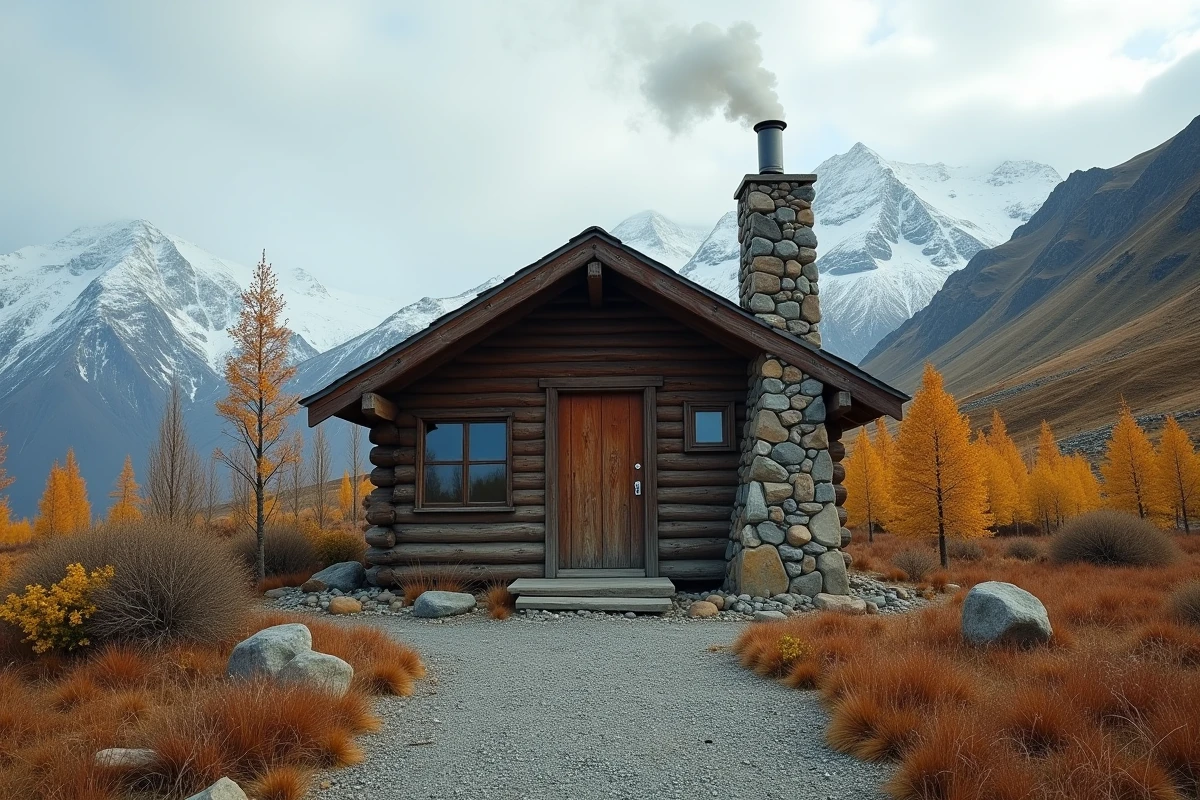
Pagny is not just building a house in Patagonia. He is developing a project intended for his children Inca, 30, and Aël, 27. This entrepreneurial dimension has been shaping his decisions for several months.
According to his own statements, the project is oriented towards adventure tourism framed by the family. The idea is to create a local activity that can function even in his absence, with a strong territorial anchoring.
Why this choice rather than a simple financial inheritance? Pagny wants to pass on a know-how and a place, not just a heritage. This implies training his children on-site, structuring a viable tourism offer, and dealing with local realities.
Tensions with the Mapuche community
This project does not progress without friction. A former neighbor, a novelist living in the region, told Swiss radio that the construction of Pagny’s house had caused tensions. The land is located in a place considered sacred by the local Mapuche population.
Pagny allegedly did not respect the customs of the area upon his arrival. Criticism focuses on the scale of the construction and the lack of prior consultation. These tensions, although publicized, seem to be easing according to available sources.
This point is far from anecdotal. Settling permanently in Patagonia requires navigating the unwritten rules of the territory. Anyone considering a similar project would do well to note this reality.
Patagonia in 2026: a counter-model to European daily life
Pagny describes Patagonia as one of the only places where he could see himself living long-term. He emphasizes the healthy air, pure water, and low population density. In 2026, this discourse resonates with a growing climate and urban anxiety in Europe.
Patagonia is not an escape fantasy in Pagny’s discourse. It is a practical choice motivated by specific criteria:
- A low-pollution environment, with direct access to preserved natural spaces, far from the density of European metropolises
- A slower daily life, structured around nature and the seasons, compatible with spaced medical follow-ups
- The possibility of building a family project anchored locally while maintaining an international career through digital tools
This model of life between two continents is anything but romantic. It requires rigorous logistics: managing two homes, two time zones, and frequent trips between Argentina and France.
Multi-activity and remote work: what the Pagny model says about 2026
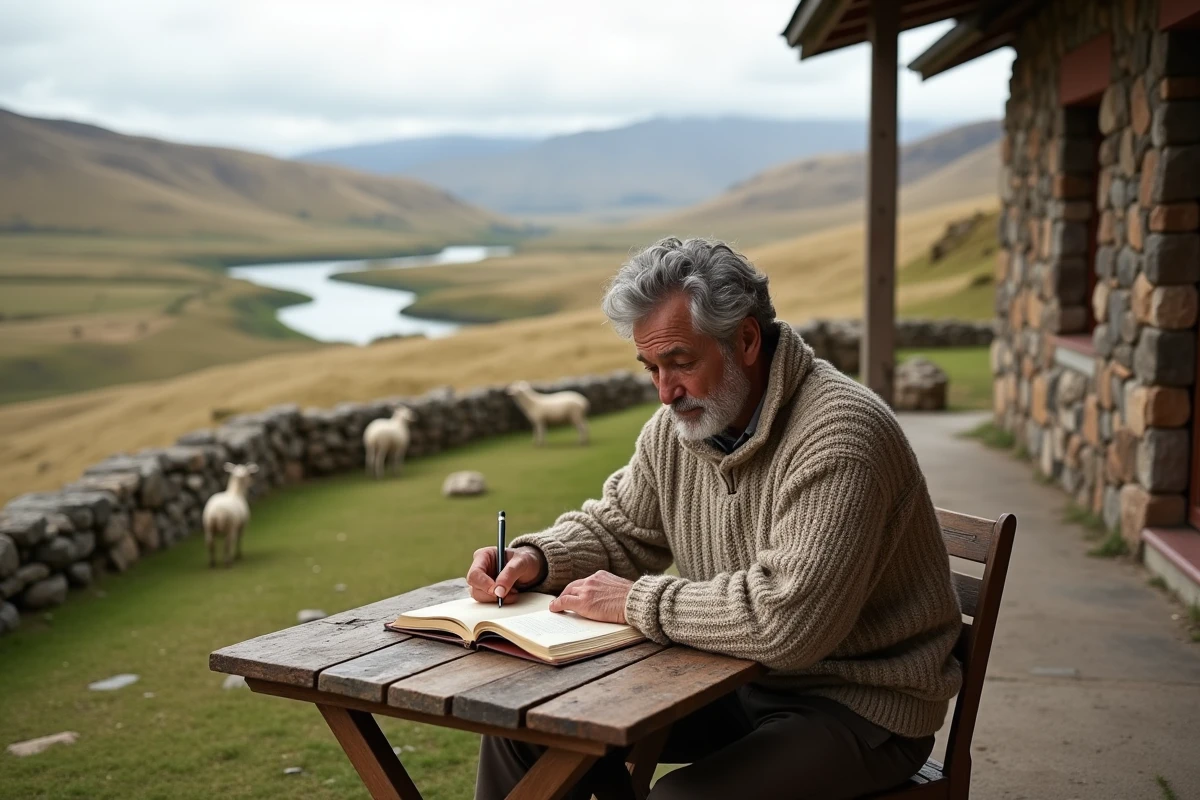
The singer is juggling a tour (the 65 Tour, which extends until 2027), a season of The Voice, and the development of his Patagonian project in 2026. This multi-activity relies on meticulous organization.
Have you noticed that more and more professionals combine a strong local anchoring with international activity? The Pagny case pushes this logic to the extreme. His wife Azucena, of Argentine origin, plays a central role in managing daily life in Patagonia when he is on tour in France.
The house in Montfort-l’Amaury, a real French anchor
Pagny has not severed ties with France. His house in Montfort-l’Amaury remains a point of attachment, even though it recently suffered a burglary that reignited the debate on the security of secondary residences of public figures.
The artist does not live “in Patagonia” but between Patagonia and France. This nuance changes the nature of the narrative. It is not an exile, but a double life in the logistical sense, with administrative, tax, and medical constraints across two continents.
This arrangement requires constant compromises. Returning to the stage with the 65 Tour is not a trivial choice for someone in remission: each concert involves travel, fatigue, and a temporary distancing from the Patagonian setting that Pagny presents as vital for his health.
Pagny’s Patagonia is neither a myth nor an escape, but a project structured around a limited time. In 2026, the singer embodies a way of living that refuses to separate work, family, and personal reconstruction. This arrangement remains demanding, sometimes conflictual, and contingent on a state of health that conditions every decision.