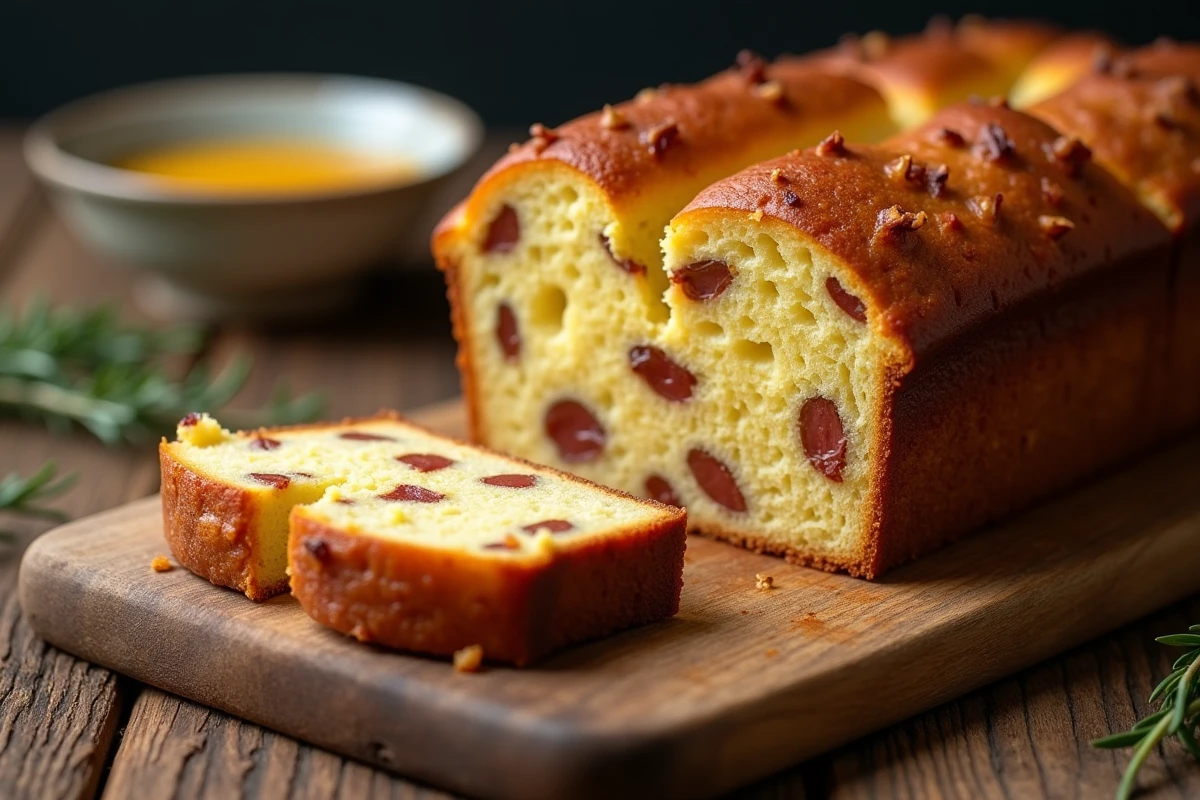
The bacon and cheese cake is one of those recipes that everyone thinks they have mastered, until the moment a slice crumbles on the plate or sticks to the palate. The difference between a decent savory cake and a moist cake lies in a few technical gestures that the simple list of ingredients does not reveal. Egg temperature, order of incorporation, choice of fat, type of cooking: each parameter affects the final texture of the batter.
Grated Gruyère, Comté, Emmental: the cheese that changes the texture of the cake
Most recipes for bacon and cheese cake indicate “Gruyère” without specifying which one. French Gruyère, Swiss Gruyère, Comté, and Emmental melt differently. A classic supermarket Emmental stretches a lot but adds little flavor. Comté melts more evenly and gives a batter with a stronger aroma.
For a savory cake that remains moist after cooling, the cheese must be finely grated. Thick shavings create pockets of fat that solidify when cooling, resulting in a grainy mouthfeel. Finely grated cheese disperses in the batter and helps retain moisture during cooking.
Mixing two cheeses works well: a base of Emmental for stretchiness and a smaller portion of Comté or Beaufort for aromatic depth. As specified in cooking tips on Trop Facile, the ratio of cheese to flour directly modifies the moistness of the result.
Olive oil or melted butter in a bacon and cheese cake
The choice of fat divides opinions. Melted butter gives a round, familiar taste, but it solidifies as soon as the cake cools down. Olive oil keeps the crumb soft even the next day, making it a better choice if the cake is prepared in advance for an appetizer or a picnic.

Some recipes combine both, with a predominance of oil and a touch of butter for aroma. The total amount of fat remains the determining factor: too little and the batter dries out, too much and the cake collapses upon unmolding. Milk also plays a binding role, and its volume must be adjusted accordingly.
The role of eggs in the structure of the batter
Eggs ensure the binding between flour and liquids. They should be at room temperature to emulsify properly with the oil. Cold eggs taken from the refrigerator create a lumpy batter that does not rise evenly.
Incorporating the eggs one by one while whisking between each addition allows air to be trapped in the mixture. This detail, often overlooked, makes the difference between a dense cake and an airy cake.
Baking the savory cake: conventional oven or pressure steam cooking
The oven remains the most common method. The challenge is to achieve a golden crust without drying out the inside. Several parameters come into play:
- Preheat the oven in convection mode rather than static heat, which ensures more even cooking around the mold
- Place the mold in the lower third of the oven so that the base cooks properly before the top colors too much
- Check the doneness with the tip of a knife: it should come out slightly moist, not dry, as the cake continues to cook for a few minutes after being taken out of the oven
Pressure cooking in a device like the Moulinex Cookeo offers an interesting alternative. The recipe published by Moulinex calls for 35 minutes under pressure with 200 ml of water in the bowl. The result yields a moister crumb, without an outer crust, which may please or displease depending on preferences.
Steam cooking: a cake without an oven for summer
This method avoids heating the kitchen and is suitable for homes equipped with a multicooker but not an oven. The steamed cake does not brown, which changes the final appearance. To compensate, some place the cake under the broiler for a few minutes after unmolding.
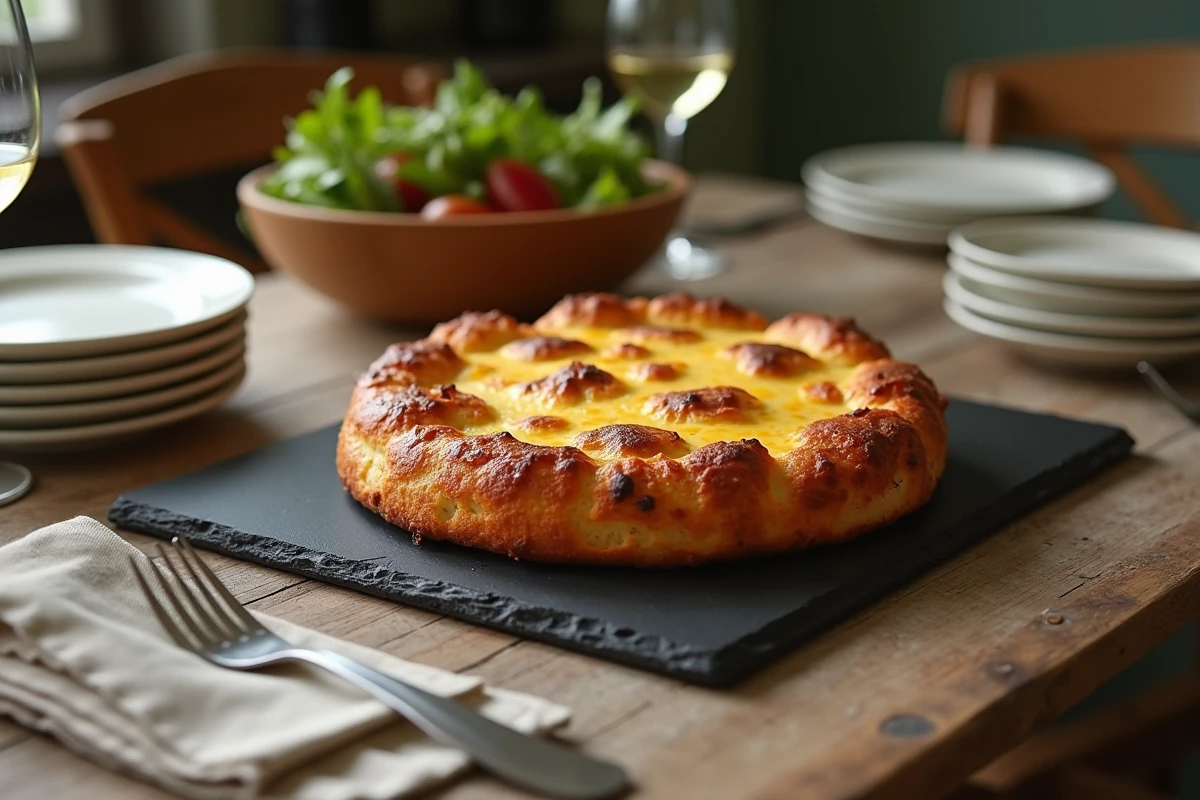
Feedback on this point varies: the steamed texture satisfies those looking for extreme moistness, but disappoints those who prefer a slightly crispy crust.
Smoked or plain bacon: impact on the flavors of the cake
Smoked bacon brings a powerful aroma that dominates the other ingredients. With a well-flavored Gruyère, the result can overwhelm the palate. Plain bacon allows more room for the cheese and any additions (onions, herbs, olives).
In both cases, pan-frying the bacon dry before incorporating it into the batter eliminates excess water and fat. Raw bacon added to the batter releases its juices during the cake’s cooking, creating moist areas inside and making unmolding difficult.
- Smoked bacon: to be reserved for lightly seasoned batters, without mustard or strong herbs
- Plain bacon: better balance with cakes containing Comté, chives, or a spoonful of old-fashioned mustard
- Bacon strips vs cubes: strips distribute better in the batter and avoid pieces that fall to the bottom of the mold
Salt and seasoning: watch out for accumulation
Bacon and grated cheese already contain a significant amount of salt. Adding salt to the batter without tasting beforehand is a common mistake. A pinch of pepper and, possibly, a hint of nutmeg is enough to enhance the overall flavor.
The bacon and cheese cake keeps for two to three days in the refrigerator, wrapped in plastic wrap. It reheats better in the oven than in the microwave, which softens the crust and makes the crumb rubbery. Taken out about twenty minutes before serving, it regains its softness at room temperature, which remains the best way to serve it.