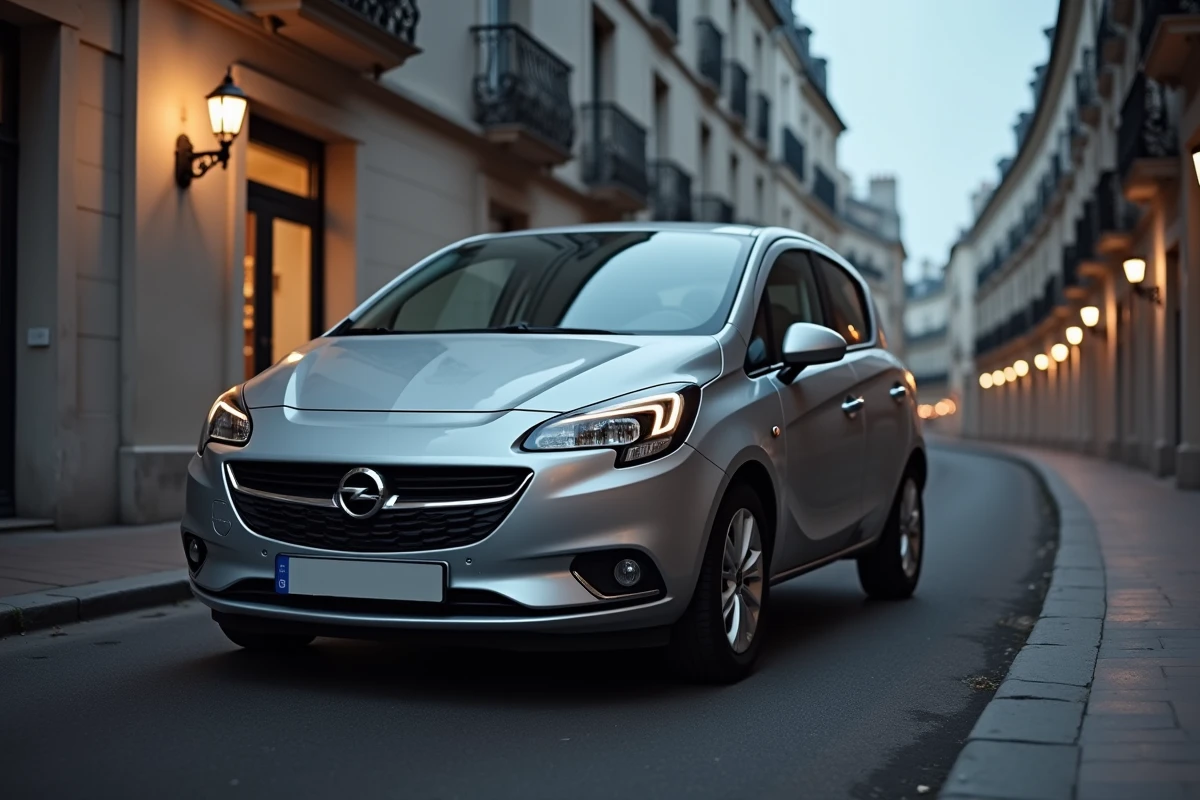
The Opel Corsa has been among the most reported stolen vehicles in France for several years, alongside the Renault Clio and the Peugeot 208. This recurring position in theft statistics is not coincidental: it results from a combination of technical, economic, and geographical factors that insurers document year after year.
Compatibility of spare parts: the real engine behind Opel Corsa theft
The primary reason the Opel Corsa attracts thieves has nothing to do with its market value. It relates to the compatibility of its mechanical parts with other Opel models widely available in the French market.
The C and D generations of the Corsa share engine, gearbox, and chassis components with the Opel Meriva and the Opel Astra from the same era. For the trafficking networks, a stolen Corsa is not necessarily sold whole: it is dismantled.
Engine, alternator, ECU, headlights, bumpers—each component feeds a parallel market for low-cost used parts. This phenomenon, documented by France Assureurs in its reports on automotive fraud, turns the Corsa into a true parts bank for low-cost repairs.
This circuit explains why vehicles with low residual value remain prime targets. A vehicle that is worth little on resale can yield more once cut up and redistributed piece by piece. You can find more information on Aide Auto regarding this particular exposure of the model to theft.
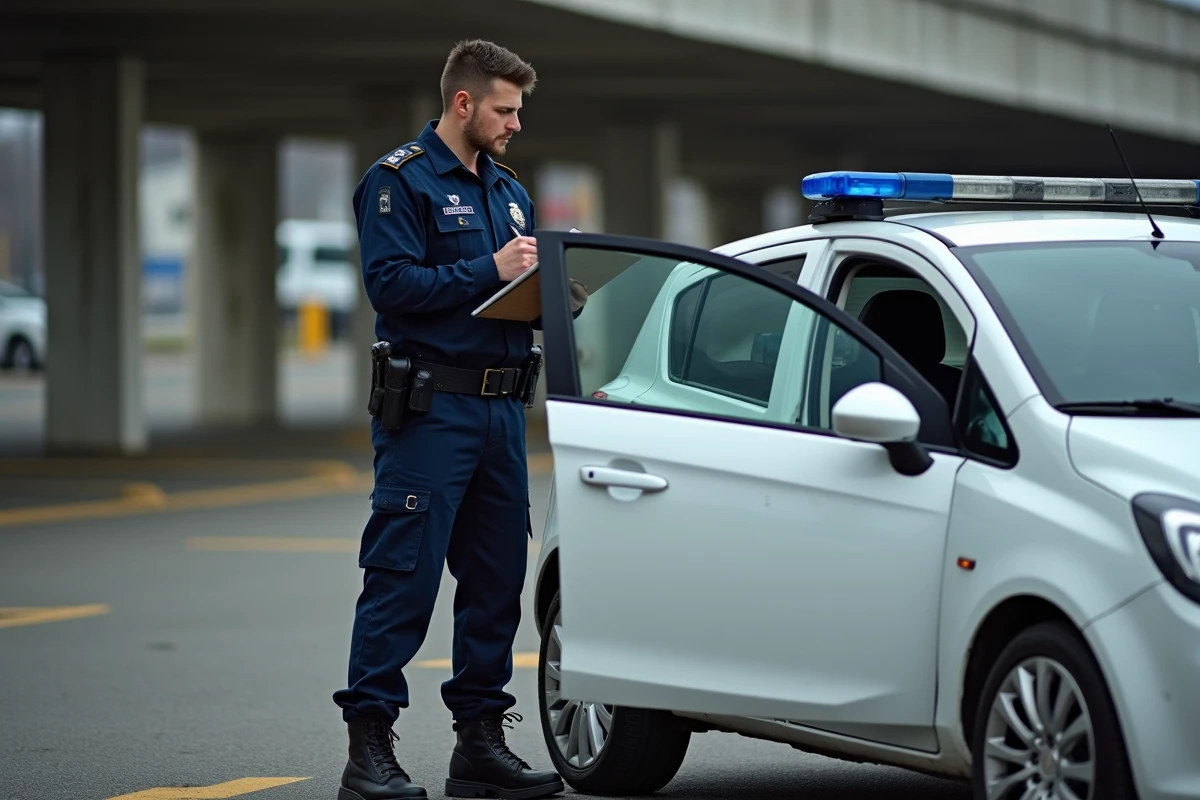
Anti-theft devices and electronics: the weaknesses of older Corsa generations
The Corsas produced between the early 2000s and the mid-2010s are equipped with protection systems that have aged. On the earlier versions, the electronic immobilizer remains rudimentary compared to the systems integrated into newer competing city cars like the Renault Clio IV or the third-generation Citroën C3.
In practical terms, theft techniques such as extracting the steering lock or reprogramming the engine ECU are well-practiced on these models. Tutorials are circulating, the necessary tools are inexpensive, and the break-in time is measured in minutes.
- The steering lock of the Corsa C and D can be forced with basic tools, unlike the more recent transponder key systems.
- The engine ECU of these generations can be replaced with a compatible module without complex reprogramming.
- The absence of volumetric detection from the factory on most trims makes the vehicle silent once opened.
The following generations, particularly the Corsa F developed on the Stellantis group platform (shared with the Peugeot 208), incorporate significantly more deterrent protections. The issue mainly concerns the older vehicle fleet, which remains very present on French roads.
Volume of the vehicle fleet and high-risk geographical areas
The Opel Corsa has been produced in over 14 million units across all generations. In France, the C, D, and E generations still represent a significant share of the automotive fleet, particularly in the small gasoline and entry-level diesel segments.
This density of vehicles in circulation creates a mechanical effect: the more widespread a model is, the more it appears in theft statistics. Regional data shows a concentration of theft reports in Île-de-France and Hauts-de-France, two areas where the Opel fleet remains dense and where parts resale networks are active.
Diesel engines and small gasoline models are the most targeted. Their robust mechanics ensure sustained demand for replacement parts, whereas an electric or hybrid engine is less appealing to the parallel market.
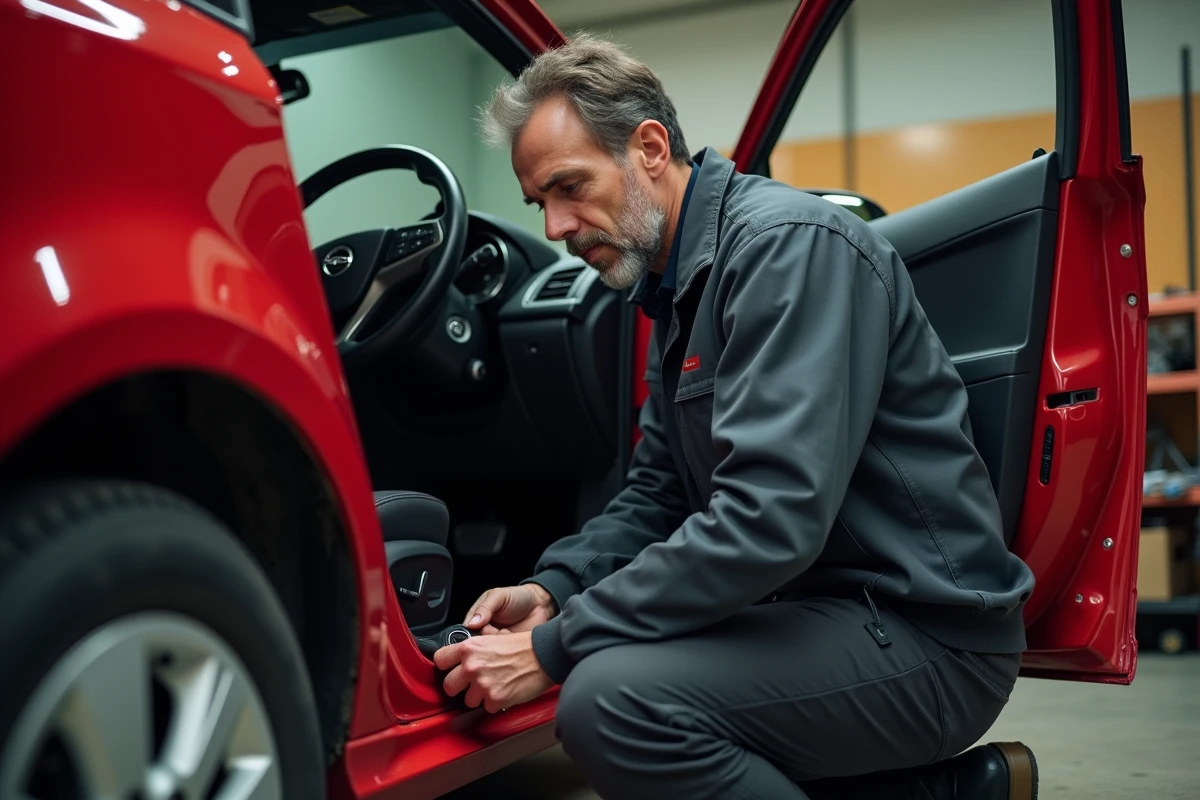
A profile of owners that also plays a role
The used Corsa often appeals to young drivers or those on tight budgets. These owners rarely invest in additional mechanical anti-theft devices, GPS trackers, or secure garage parking. The vehicle is parked on the street, sometimes without an alarm, in dense residential neighborhoods. This usage context facilitates the spotting and rapid intervention of thieves.
Concrete protections against the theft of an Opel Corsa
Reducing the risk for such a targeted model involves specific measures tailored to the known weaknesses of these generations.
- Install a mechanical steering lock (such as a steering wheel lock or cane) visible from the outside, which extends the break-in time and deters hurried thieves.
- Add a hidden autonomous GPS tracker in the cabin, allowing for vehicle location after a theft and facilitating law enforcement intervention.
- Engrave the windows with the license plate number or VIN, complicating the resale of the entire vehicle and reducing its appeal to trafficking networks.
- Prefer parking in a closed or well-lit area, avoiding isolated zones where the vehicle can be loaded onto a truck without witnesses.
These devices do not make the car inviolable, but they increase the time and risk for the thief. On a model targeted for its ease of access, each additional obstacle pushes the opportunist toward a less protected target.
The paradox of the Opel Corsa lies in its primary quality: a reliable, widespread city car with accessible parts. What makes it a good daily car also makes it a prime target for theft networks. As long as older generations remain numerous on French roads, the model will continue to be overrepresented in automotive theft statistics.